


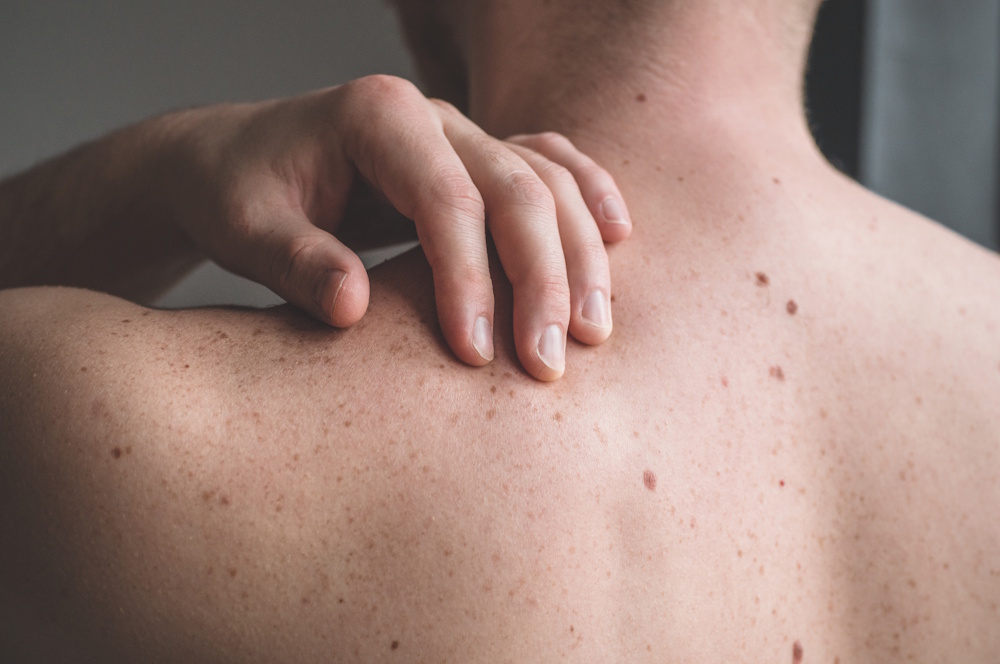
Skin cancer is one of the most common cancers in the UK, with around 1 in 5 people expected to develop some form of skin cancer during their lifetime. Rates of melanoma, the most serious type, have been rising steadily over recent decades. The majority of cases are linked to ultraviolet (UV) exposure, and importantly, many are preventable. When detected early, outcomes are generally very good, which makes awareness and timely assessment key.
This month, Dr McBride is focusing on skin health, prompted by a noticeable increase in patients presenting with concerns about moles and other skin changes. As we move into the warmer months and more skin is exposed, it is a timely opportunity to think about how we can better look after our skin.
For many people, skin checks fall into the category of “I’ll get round to that.” But early recognition of change is key, and a few simple habits can make a significant difference.
Why Skin Checks Matter
Skin cancer is one of the most common cancers in the UK, and rates continue to rise. The reassuring part is that when detected early, outcomes are often very good.
The difficulty is that changes can be subtle. Patients will often say they are not sure how long something has been there, or whether it has changed at all. That uncertainty is exactly why becoming familiar with your own skin is so important.
What Should You Be Looking For?
A helpful starting point is the ABCDE guide:
- Asymmetry – one half does not match the other
- Border – edges that are irregular or blurred
- Colour – uneven colour or multiple shades
- Diameter – anything larger than 6mm (although smaller lesions can still be significant)
- Evolving – any change in size, shape, colour, or new symptoms such as itching or bleeding.
It is also important to notice anything that simply looks different from your other moles.
Looking After Your Skin This Summer
Prevention remains key.
- Use a broad-spectrum SPF 30 or higher
- Reapply regularly, particularly after swimming
- Take care during peak sun hours (11am–3pm)
- Wear protective clothing, hats, and sunglasses where possible
- Avoid burning
Sun exposure is cumulative. It is not just about time spent abroad, but everyday exposure here in the UK.
Mole Mapping and Monitoring
For those with multiple moles, or for anyone who feels unsure, mole mapping can be very helpful.
This involves taking baseline images of your skin and monitoring for change over time. It allows both patients and clinicians to identify subtle changes that might otherwise go unnoticed.
Can Apps Help with Skin Monitoring?
There are now several smartphone apps available that allow individuals to photograph and monitor their moles over time, such as SkinVision, Miiskin, and MoleScope.
These can be helpful as a way of keeping a visual record, particularly if you have multiple moles or are unsure whether something has changed.
However, it is important to be clear that these tools do not provide a diagnosis and should not replace a clinical assessment. Their accuracy can vary, and they may either miss concerning changes or cause unnecessary worry.
If you notice any change, or if something does not feel quite right, it is always advisable to seek professional medical advice.
When Should You Seek Medical Advice?
You should arrange a review if you notice:
- A new mole appearing in adulthood
- A change in an existing mole
- A mole that looks different from others
- Bleeding, itching, or crusting lesions
- Any area of skin that does not heal
If in doubt, it is always better to have it checked.
How We Can Help
At Courtyard Health Clinic, we offer dedicated skin and mole assessments in a calm, unhurried setting. Continuity of care allows us to monitor changes over time and provide clear, consistent advice.
Where needed, we also have access to specialist dermatology input through Polly Buchanan, our dermatology colleague, ensuring timely expert review.
A Final Thought
Skin checks do not need to be complicated. A small amount of awareness, combined with early review where needed, can make a real difference.
As we head into summer, it is a good opportunity to become more familiar with your skin and seek advice if something changes or causes concern.
If you would like a skin or mole check, you are very welcome to get in touch with Courtyard Health Clinic.
Useful information can be found at the following sites
Skin Cancer Detection
ABCDEasy Leaflet
