


Less Survivable Cancers Awareness Month: Why Early Diagnosis Matters
Courtyard Health Clinic is supporting Less Survivable Cancers Awareness Day on 11th January 2026. This day recognises six cancers with particularly poor survival outcomes: brain, lung, liver, stomach, pancreatic, and oesophageal cancer.
Together, these cancers account for almost half of all cancer deaths in the UK, yet only around 16% of people diagnosed survive five years or more. In contrast, survival rates for more common cancers such as breast and prostate cancer now exceed 85%. This stark difference is often referred to as the “deadly cancer gap”.
Why are these cancers so difficult to treat?
The main reason is late diagnosis. Many of these cancers cause vague or easily overlooked symptoms, such as indigestion, fatigue, headaches, or weight loss. There are also no routine screening programmes for most of these cancers, meaning diagnosis often only happens once symptoms become severe.
As a result, many patients are diagnosed at an advanced stage, when treatment options are limited and outcomes are poorer.
Why awareness and early action are crucial
Early detection dramatically improves survival. For example, pancreatic cancer has an average five-year survival of under 10%, but if diagnosed early enough for surgery, survival can increase to around 30%. Similar improvements are seen across other cancers when disease is identified earlier.
Key symptoms that should never be ignored include:
- Persistent indigestion or difficulty swallowing
- Unexplained weight loss or loss of appetite
- A cough that does not settle
- New or worsening headaches, seizures, or personality changes
- Any symptom that is unusual for you and persists for several weeks
If something does not feel right, it is always worth getting checked.
Advocacy close to home
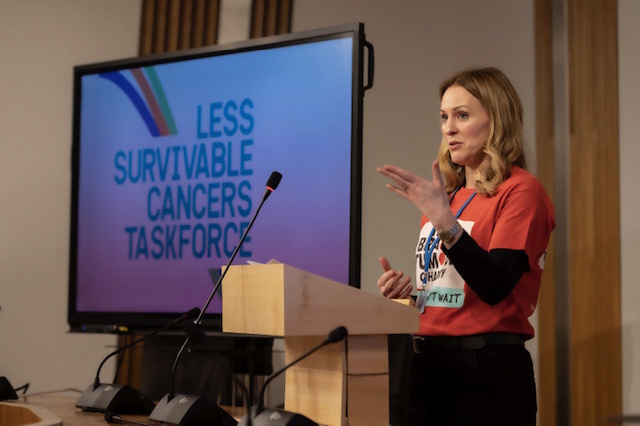
This issue is personal as well as professional. Dr Victoria McBride, Clinical Director of Courtyard Health Clinic, has presented twice in Parliament on the need to improve outcomes for less survivable cancers, particularly brain tumours — an area close to her heart.
Brain tumours remain the leading cause of cancer death in children and adults under 40, yet survival rates have changed little in decades. Raising awareness, improving access to diagnosis, and increasing research funding are all essential to change this.
How continuity of care can help
Private healthcare can play a supportive role alongside the NHS by offering timely access and continuity of care. Seeing the same doctor, having symptoms taken seriously, and arranging investigations without unnecessary delay can make a meaningful difference when dealing with cancers that progress quickly.
Our message this month
Early detection saves lives. If you have persistent or worrying symptoms, do not wait. Seek medical advice, ask questions, and trust your instincts.
By increasing awareness and acting early, we can begin to close the deadly cancer gap.
