


Early cancer diagnosis saves lives. It reduces morbidity, limits long-term disability, and improves treatment options. Yet for some cancers, often described as less survivable cancers, early diagnosis remains one of the biggest challenges in healthcare.
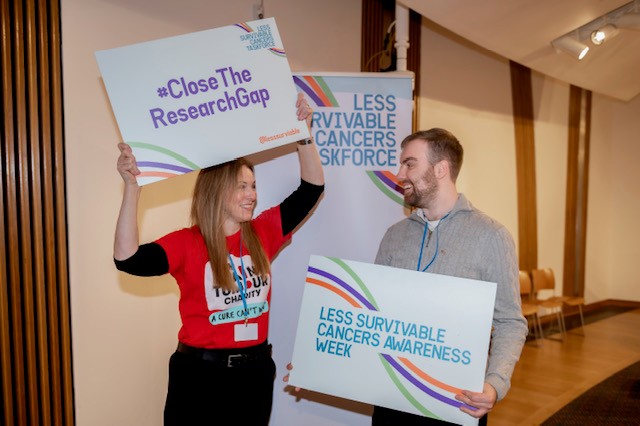
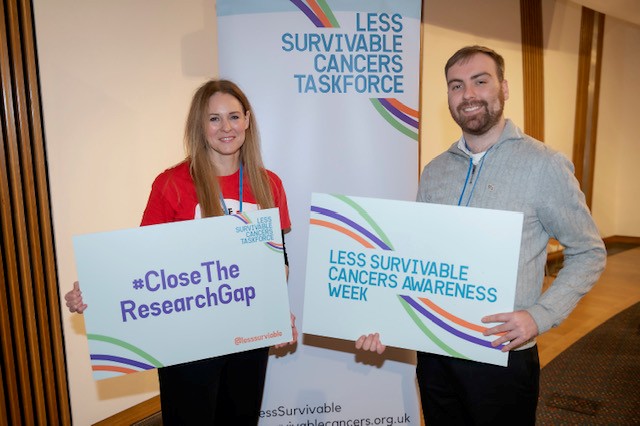
Recently, I attended an event at Parliament as part of Less Survivable Cancers Awareness Week, alongside Members of Scottish Parliament, clinicians, patient advocates, charities, and policymakers. The purpose was simple but urgent: to highlight the importance of earlier diagnosis for cancers that are still too often identified late, including brain tumours.

Less Survivable Cancers and Late Diagnosis
Cancers such as brain tumours, pancreatic cancer, oesophageal cancer, and lung cancer continue to have poorer outcomes compared to many others. A major contributing factor is late diagnosis.
Brain tumours present a unique challenge. Symptoms are often non-specific for example fatigue, cognitive changes, visual disturbance, or subtle personality changes. These can easily overlap with far more common and less serious conditions, making early recognition difficult for both patients and clinicians.
This complexity does not reflect a lack of care. It reflects the reality of how these conditions present and why continued education and awareness are essential.
Why Early Diagnosis Makes Such a Difference
Earlier diagnosis can fundamentally change what is possible for patients. For less survivable cancers, it can:
• Improve access to treatment options
• Reduce neurological damage and long-term disability
• Lower physical and psychological burden on patients and carers
• Improve survival and quality of life
Even when cure is not possible, earlier diagnosis allows for better symptom management, clearer planning, and more timely support for patients and families.
These were key themes discussed at Parliament. Early diagnosis is not only about survival statistics, but about reducing avoidable harm.
The Role of General Practice
General practice sits at the heart of early cancer diagnosis. GPs are often the first clinicians patients consult when symptoms begin especially when those symptoms are vague or evolving.
Events like Less Survivable Cancers Awareness Week highlight the importance of:
• Ongoing GP education
• Clearer referral pathways
• Increased awareness of red-flag and evolving symptoms
• Listening carefully when patients feel something is “not quite right”
Supporting clinicians to recognise patterns and escalate concerns appropriately is essential if outcomes are to improve.
Learning from Patients and Carers
A consistent message from the event at Parliament was the importance of patient and carer voices. Many individuals affected by less survivable cancers describe long diagnostic journeys, repeated consultations, and delayed investigations.
Charities and patient groups play a crucial role in bringing these experiences into education, policy, and clinical practice. Their work helps ensure that learning is grounded in real-world experience not just guidelines.
A Personal Motivation
My motivation for early diagnosis comes from lived experience and the awareness of the impact cancer has on a family.
That perspective reinforces why early diagnosis must remain a shared priority across healthcare, education, and policy.
Moving Forward
Attending Parliament for Less Survivable Cancers Awareness Week was a reminder that improving outcomes requires sustained effort. Progress depends on collaboration between clinicians, charities, educators, policymakers, and patients themselves.
Early diagnosis is not a single intervention; it is an ongoing commitment. One that requires vigilance, education, and the willingness to keep challenging how we recognise and respond to cancer symptoms.
It is something we should all continue striving towards.
For more information on the less survivable cancers, please see the following resources:
www.pancreaticcancer.org.uk
Better safe than tumour – Signs and Symptoms
Digestive conditions – Guts UK
Liver Cancer UK – Part of the British Liver Trust
Home | Roy Castle Lung Cancer Foundation
